
On this page
Today’s handball matches
No matches today. Next match day: Wed 18 Nov.
Kvindeligaen
- Skanderborg Håndbold18:30Ikast Håndbold
- Odense Håndbold18:30EH Aalborg
- HØJ Elite Kvinder18:30Team Esbjerg
- Nykøbing F. Håndboldklub18:30Horsens Håndbold Elite
- NordVestjysk Elite19:00København Håndbold
- Ringkøbing Håndbold19:00Silkeborg-Voel KFUM

Identify the handball match before looking for a channel
To find handball today, start with both team names, the competition and the Danish date in the listing. A club can field women's, men's and youth teams, while a country can have several age-group national sides. If you recognise only one name, inspect the competition before planning your evening. A familiar badge does not distinguish all those teams. The complete identity of the fixture matters more than the first recognisable word in a short programme title.
The schedule is a selection of matches within its stated sources and categories. It should not be interpreted as confirmation that every match in every hall worldwide is included. If an expected fixture is absent, check the team's official calendar and the correct division. A quiet day in the Danish domestic leagues can coincide with foreign club fixtures or an international tournament outside this selection. Absence from one guide is not evidence that the sporting event does not exist.
Also check whether the displayed row belongs to today or to the next available matchday. A next-fixture view is useful on a quiet day, but its date must remain a future date. The same care applies to a result from last night. A finished score at the top of a page does not mean the teams are playing again today. Read date and status together, particularly when returning to a browser tab that has remained open overnight.
Separate league, cup and national-team fixtures
A league game belongs to a season of rounds, whereas a cup tie can determine progression from that particular contest. The league position alone therefore does not explain what is at stake tonight. Read the competition and phase. Regular season, championship play-offs and relegation sections are not interchangeable labels. For the overall position, consult the Herreligaen table rather than trying to reconstruct the standings from one scheduled game or an isolated score.
A European club competition may use a different format from the domestic league. In a two-leg tie, tonight's goals are not necessarily the same as the aggregate score. Check whether the number shown belongs to the current match or combines both legs. Do not apply a general assumption about qualification without the relevant competition regulations. Even competitions run by the same governing body can have different phases, tie-breaking procedures and requirements for deciding who progresses.
For international handball, distinguish women's and men's events as well as senior and youth tournaments. A World Championship logo without a category does not identify Denmark's next match. Check the sex, age category and edition with the organiser. An announced championship does not mean Denmark plays on every day of the event. The team's actual position in the tournament and the published daily programme establish whether there is a Danish national-team match to follow.
Club and international handball can also take place in different countries. When following a Danish player abroad, match the club and opponent to the club fixture you select. The player's nationality changes neither the competition nor its broadcaster. A profile can help identify the club, but the actual match squad is the relevant evidence for participation. A club playing tonight does not automatically mean that all its best-known players have been selected for that game.
Read the Danish date as well as the start time
Times labelled Danish time use Europe/Copenhagen. On a foreign competition website, check whether the clock refers to the venue, your device or another expressly stated timezone. Convert the actual date because countries do not necessarily change summer time on the same day. Switching this website into English does not automatically convert the match to the timezone of wherever you are travelling. Language and event time are separate settings to understand before arranging a viewing session.
For events near midnight, the Danish date may differ from the host country's date. Check the complete date rather than the weekday alone when following international competition from another part of the world. A season schedule can also run across New Year, with December and January in different calendar years. A row without a clear edition or year should not be treated as evidence of a new fixture simply because both team names remain familiar and active.
Broadcast start and match start are separate times. Studio coverage may begin before introductions and the first whistle, while an individual stream may start closer to play. Choose the earlier programme if you want the team presentation and analysis. Use the organiser's start information if you only want the game itself. A thirty-minute difference between two listings can therefore represent two accurate descriptions of different parts of the evening, rather than a scheduling error that needs to be guessed away.
Playing time is different from elapsed evening time
IHF's standard indoor rules specify two thirty-minute halves for teams aged sixteen and above, with shorter normal playing periods for younger categories. Sixty playing minutes provide a basic framework for a senior fixture, rather than a guaranteed finish on your clock. The interval and stoppages also occupy real time. Do not plan a senior international using the duration of a shorter children's game, or assume that every competition follows the same interval simply because the sport is handball.
Imagine a fictional senior match starting at 20:00. Two thirty-minute halves and an assumed fifteen-minute interval produce 21:15 before allowing for any other interruptions. This is a calculation, not a promised finishing time; the fifteen-minute interval is an explicit assumption in the example. The particular competition determines the interval within the applicable rules. Allow a practical margin before planning transport or another broadcast, rather than treating that simplified sum as the exact time of the final whistle.
When the match clock stops, ordinary time continues. Five minutes of remaining playing time can therefore occupy more than five minutes in front of the television. A timeout, treatment or referees' consultation can affect when play resumes. A score that has stopped changing cannot establish the reason on its own. Check the broadcast or an organiser announcement instead of interpreting an unchanged row as proof of a serious injury, abandonment or a completed match.
Read the minute together with the half or period label. Some displays count through the whole match; others show time within a period. If a screen shows 12:00 in the second half, establish its convention before concluding that forty-eight minutes remain. The period heading, pause indicator and match explanation provide the missing context. A single number detached from its label can produce a very different impression of the game's progress from the one intended by the official display.
- 20:00: fictional start.
- 30 playing minutes in the first half.
- An assumed 15-minute interval for this calculation.
- 30 playing minutes in the second half.
- 21:15: the calculated time before any other stoppages.
Understand the score without inventing a match story
In a fictional example, the home side has eighteen goals and the away side sixteen. The difference is two goals, not a guarantee that the home side will win. The half, minute and any suspensions provide more context. Keep the teams in the correct order, especially when another service puts a favourite first. Reversing the order can make identical information look contradictory even though both screens are describing the same score from a different visual arrangement.
If a service lists both half-time and full-time scores, the full-time figures normally represent each team's total, rather than only second-half goals. In an invented match showing 14–12 at the interval and 29–27 at the end, each team scored fifteen goals after the break: 29 minus 14 and 27 minus 12. This calculation helps explain the periods without inventing a particular sequence of goals, dramatic comeback or decisive individual performance that the figures do not establish.
A blank goal column is not automatically 0–0. The score may simply be unavailable. Similarly, a scheduled start does not confirm that play actually began at that moment. Look for an explicit match status. Where status is missing, preserve the uncertainty instead of declaring a game live from the clock alone. That distinction matters during delays and when a confirmed change has not yet reached every guide. Missing information should remain missing until an appropriate source supplies it.
Shots, goals, saves and assists describe different actions and roles. A goalkeeper's save percentage and a court player's shooting percentage should not be treated as one shared measure of performance. As a simple example, six goals from ten recorded shots is sixty per cent. That does not reveal shot positions or minutes played. Use a match statistic to ask a more precise question, rather than allowing one percentage to settle every judgement about a player's contribution.
| Team | Half-time | Full-time | Second half |
|---|---|---|---|
| Home | 14 | 29 | 29 − 14 = 15 |
| Away | 12 | 27 | 27 − 12 = 15 |
Read suspensions and an empty goal in context
A suspension indicator explains a temporary aspect of the teams' situation. Under IHF rules, an ordinary suspension lasts two minutes of playing time, rather than simply two minutes on a viewer's clock. During a stoppage, do not assume the player returns after two real minutes have passed. Check the match and suspension clocks on the broadcast. A small card symbol in a results list may not contain enough information to explain the full decision or its precise timing.
A team can choose to attack without its goalkeeper to change its attacking balance. An open goal after a turnover does not, by itself, establish the coach's reasoning or a medical problem. Describe the visible situation and distinguish a tactical choice from confirmed team news. An empty goal is not automatic evidence of a suspended goalkeeper or a team unable to field enough players. The match context and official information are needed before attaching that kind of explanation.
- Restart whistle: the suspension’s two playing minutes begin.
- Playing clock runs: the remaining suspension time counts down.
- Time-out: the playing clock and countdown stop.
- Play resumes: the remaining playing time continues.
Establish whether a result is final
The score at the end of normal time and the final outcome of a competition tie can be different things where a winner is required. A cup or play-off contest may need further play, while another competition can record a draw as its final result. Check the actual format before expecting extra time or seven-metre throws. The general playing rules do not independently determine every feature of a competition's progression and standings, so a familiar finishing procedure should not be assumed universally.
If one service has a final score while another still shows the game in progress, compare the date, team order and status first. One may be delayed or describing a different phase. Use the official match report for the final result once it is available. Avoid presenting a provisional lead as a completed victory. If a later administrative decision changes the recorded outcome, explain it as a decision rather than pretending that the revised score was necessarily what happened during play.
Find television coverage through the specific fixture
Tophåndbold's television-allocation page links to DanskHåndbold's official TV programme and separates season allocations. Use it as an entrance for fixtures involving Danish teams. Read the participants and date in the individual row, then check the broadcaster's current guide. A season summary counting television appearances is not confirmation of tonight's transmission time. Conversely, an empty channel field means coverage has not been confirmed in that row, rather than establishing that no broadcaster anywhere is showing the game.
For German domestic handball, HBL's official site listed Viaplay as the Danish rights holder when checked on 3 November 2026 and stated that HBL TV World was unavailable in Denmark. This is a concrete example of region-dependent access. It does not automatically cover Danish leagues, EHF events or national teams. If you follow a Danish player in Germany, match the club fixture to the Danish provider's actual programme instead of relying on the player's nationality to select a service.
League rights also do not establish an individual player's appearance. A player may be outside the squad, while a broad tournament programme may switch between fixtures. Check the team's official match squad or line-up if that player is your main reason to watch. Without confirmation, leave participation uncertain. An old match photograph or a place on the club's general squad page is not proof that the player appears on tonight's match sheet or will take the court.
Prepare access and a realistic viewing plan
A channel in a guide and the subscription on your account are separate facts. Check whether your package includes the linear channel, individual event stream or both. Access bought through a partner may need activation using that partner's official instructions. The price and permitted simultaneous streams depend on the particular package. Check both with the provider. Test the actual screen before the match so that an unexpected login or an unsupported television does not consume the opening minutes.
For an evening containing two desired matches, make the margin visible. Suppose the first is expected to finish at 19:45 and the next begins at 20:00. There are fifteen minutes between them; a twenty-minute overrun creates a five-minute overlap. This is a calculation about your plan, not an estimate for a named fixture. Decide beforehand whether you would rather see the first match's closing stages or the second match's opening, and check whether a replay is genuinely available.
If you want to attend, confirm the ticket, arena and entrance arrangements with the club or organiser. A Danish broadcast time does not tell you when the doors open, and a home-team label does not guarantee use of the club's usual hall. Read the address for the particular fixture. Weekend or holiday transport may also differ. Check journey times and admission prices for the actual date with the transport operator and organiser.
Handle gaps and changes without changing their meaning
A match can be rescheduled, postponed, interrupted or cancelled, and those labels describe different situations. Rescheduling may come with a replacement date; postponement may not yet have one. An interrupted match may already contain some played minutes. Keep the organiser's actual status until it is clarified. Missing data alone does not establish which situation applies and does not justify declaring a winner. A match disappearing from one selected guide is not, on its own, an official cancellation notice.
Look for the timestamp on the latest available information. An old tab can display an earlier schedule, while a score service may lag behind the pictures. Check that the displayed date and status still match the fixture you intend to follow. If there is a clear discrepancy, check the official match announcement and report the teams, date and specific difference. Those details provide a useful basis for correction, rather than a general statement that today's handball is wrong.
Two score services can also react at different speeds. Seeing a goal notification before the television picture does not prove that the broadcast is a replay; streams can be delayed. If you want to follow the action without knowing the next incident, choose one main viewing source and adjust notifications. A quick goal alert should not be used to reconstruct the full match narrative, particularly if the official report subsequently corrects a scorer, time or other detail.
Continue to the answer you actually need
This page focuses on today's fixtures, their status and the practical route to following them. For finished games and score developments, use handball live scores and results; for a league's overall position, use its table. The broader handball section explains competitions and background. Moving to a table does not resolve a missing TV channel, just as a channel guide does not establish which players have made the squad.
Before choosing a match, gather its complete team names, category, competition, Danish date and current status. Add the precise programme if you want pictures. If one item is missing, check it with the source responsible for that information. These distinctions let you separate a future fixture from an old result, a club game from an international, and confirmed match coverage from a general broadcaster logo. They also keep an unconfirmed fixture or changed programme distinct from information the organiser has actually confirmed.
| Display | Meaning and check |
|---|---|
| 18–16 | Fictional example: two-goal lead, not a guaranteed winner |
| 14–12 / 29–27 | Fictional half/full time: 15–15 in the second half |
| No score | Check status; do not assume 0–0 |
| No channel | Unconfirmed in that row; check the actual programme |
Does this page include every handball match worldwide?
No. It covers matches within the guide’s sources and selected categories. Check the official competition calendar for an expected fixture outside that selection.
Does a next-matchday display mean the game is today?
No. Read the fixture’s own date. A next available matchday remains a future date even when shown on a today page.
Does a senior game finish an hour after it starts?
Not necessarily. Normal playing time is two thirty-minute halves, but the interval and stoppages also take real time. The competition may require further play.
Does a blank score mean 0–0?
No. It can mean that no score has been recorded. Read the status and check the official match report.
Why is there no television channel?
Coverage has not been confirmed in the displayed row. That does not prove there is no broadcast. Check the organiser’s information and provider’s current programme.
Will a Danish star definitely play when the club has a fixture?
No. Check the confirmed match squad or line-up. A general player profile or old match photograph does not establish participation in that particular game.
Explore the next question
- Danish Handball in One Place — Find your way through Danish handball: choose club or national team, men or women, and the correct competition before using its table, results and next fixture.
- Herreligaen – Danish Men’s Handball League Table — The table of Denmark’s top men’s handball league with points, goals and form – plus the fixtures and the latest results.
- handball on TV — Find handball on TV by competition, team category and date. Programme and throw-off times can differ; studio coverage is not the live match itself.
- handball schedule and results — Follow a handball game from scheduled throw-off to its confirmed result. Find recorded league fixtures and learn when to use the calendar, match report or table.
- Flashscore handball — Use Flashscore for handball across competitions and check Danish league games in context. An in-play score, a final score and a TV broadcast are three different pieces of information.
- men’s handball results — See recorded final scores from Denmark’s men’s league and continue to the standings. The selection is dated and does not automatically include cup, Bundesliga or international games.
- men’s handball tickets — First choose the men’s league, European club handball or Denmark’s national team. Ticket sellers, venues and admission conditions belong to the event, not simply to a player’s name.
- national team handball match tickets — Find the official route to a Danish handball international. Distinguish member presales, general sales and event packages before booking travel or assuming a game is sold out.
- Sofascore handball — Open Sofascore for handball games and use our Danish league pages for season context. Coverage can vary by competition, so check which match events are actually available.
- men’s handball on TV today — Find a men’s handball broadcast by club or national team. A domestic league match and an EHF fixture may share an evening but use different channels and access conditions.
- men’s handball league top scorer — See a dated selection from the men’s league scoring table and distinguish open-play goals, penalty goals and total goals. The highest total need not mean the highest goals-per-game rate.
Choose an athlete
Choose a Danish athlete to see their profile, next event and selected dated results. Older achievements are labelled as archive material.
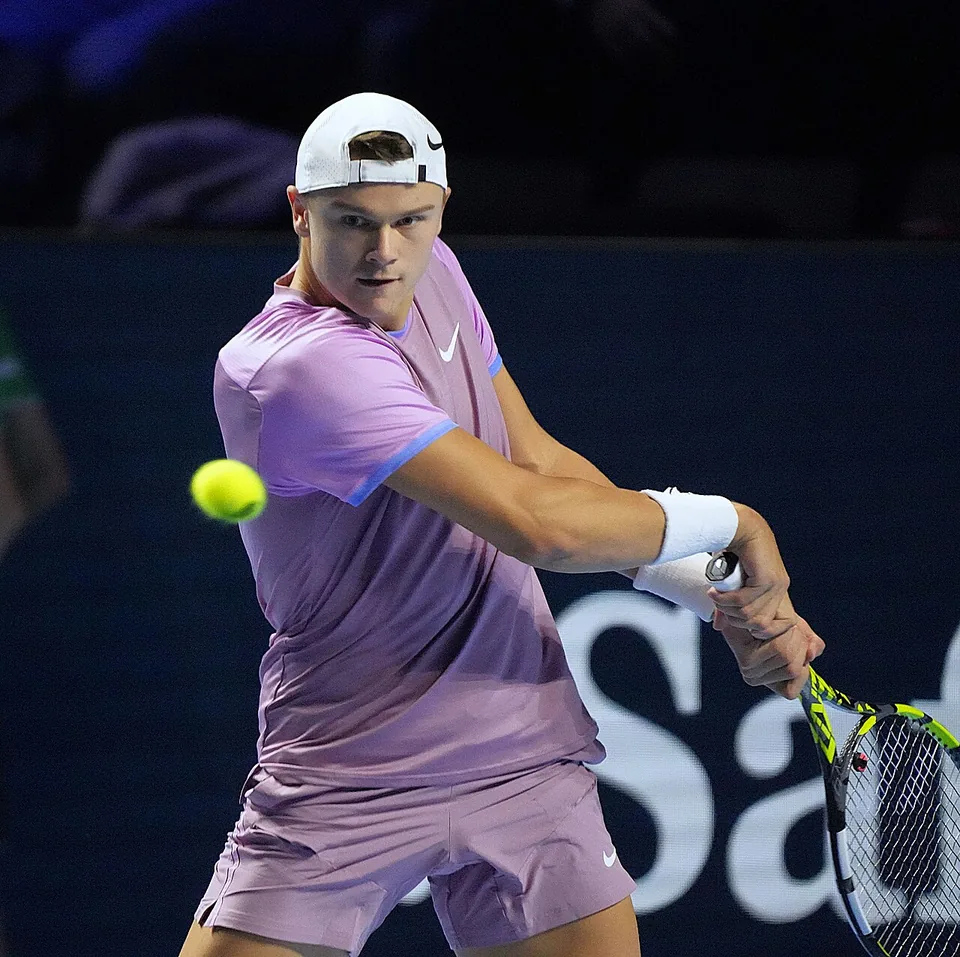

Holger Rune
Tennis · Men’s singles · ATP
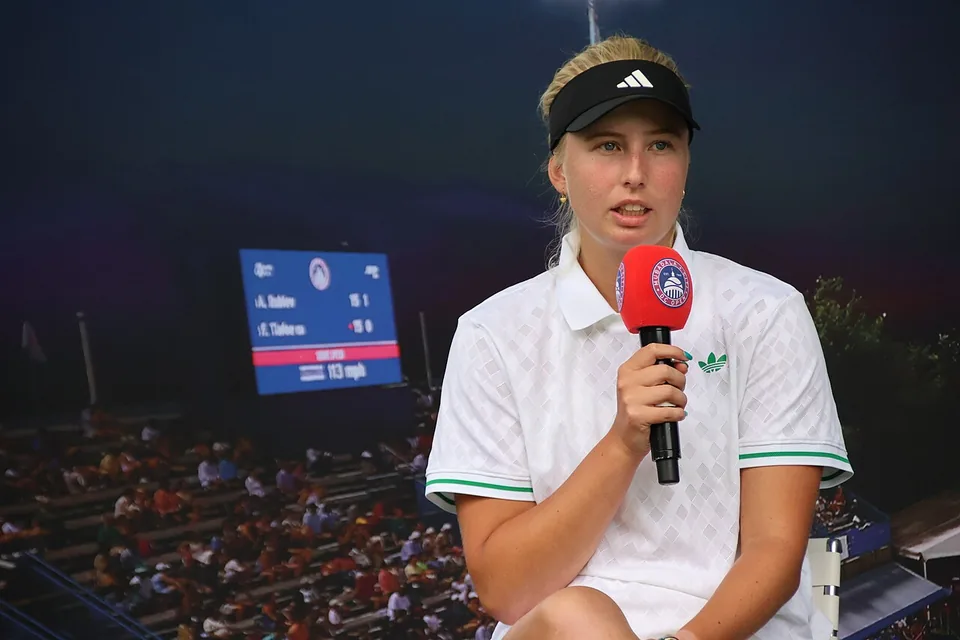

Clara Tauson
Tennis · Women’s singles · WTA
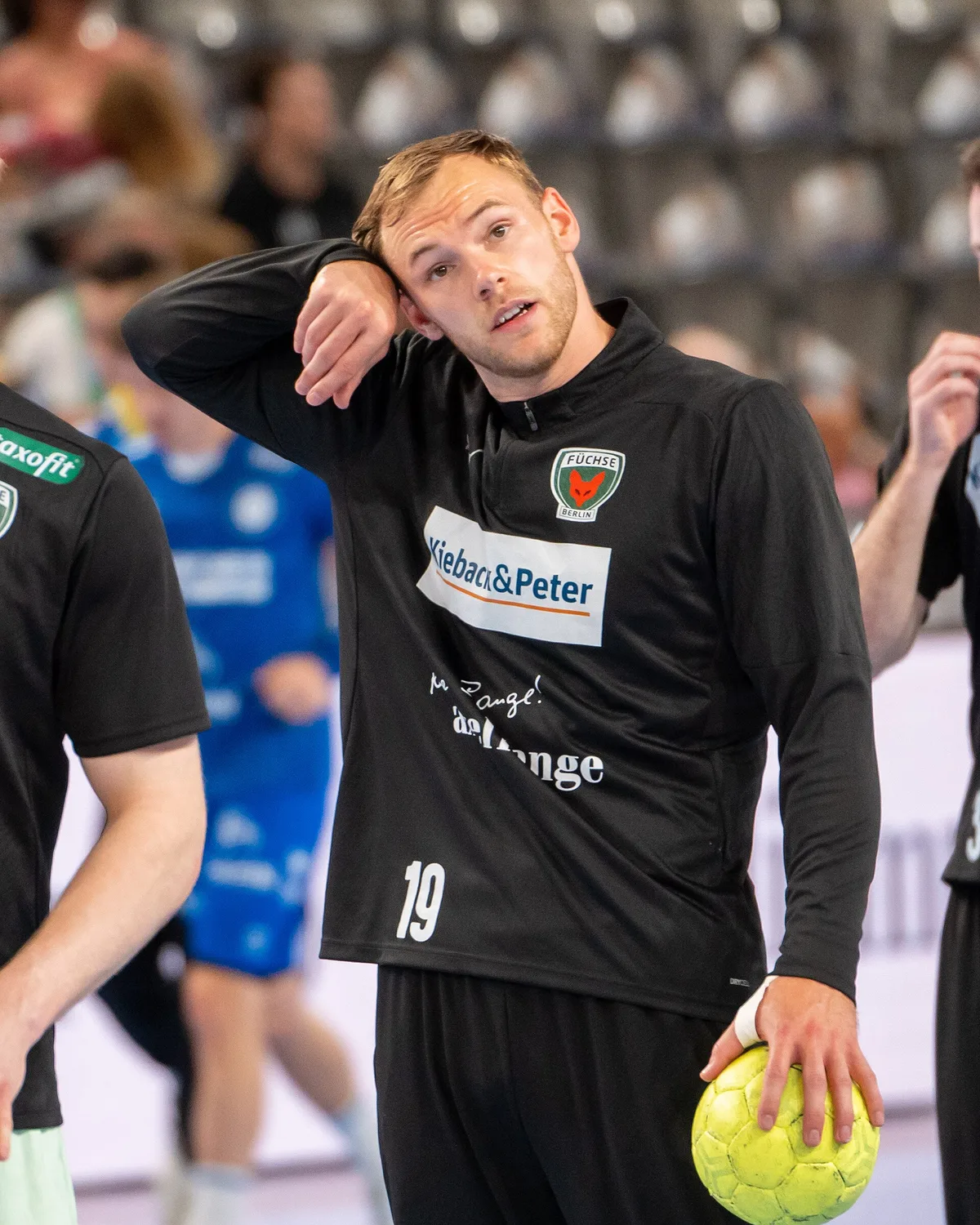
Max Petershans, CC BY-SA 4.0, Wikimedia Commons · CC BY-SA 4.0

Mathias Gidsel
Handball · Right back · Füchse Berlin


Anders Antonsen
Badminton · Men’s singles · BWF
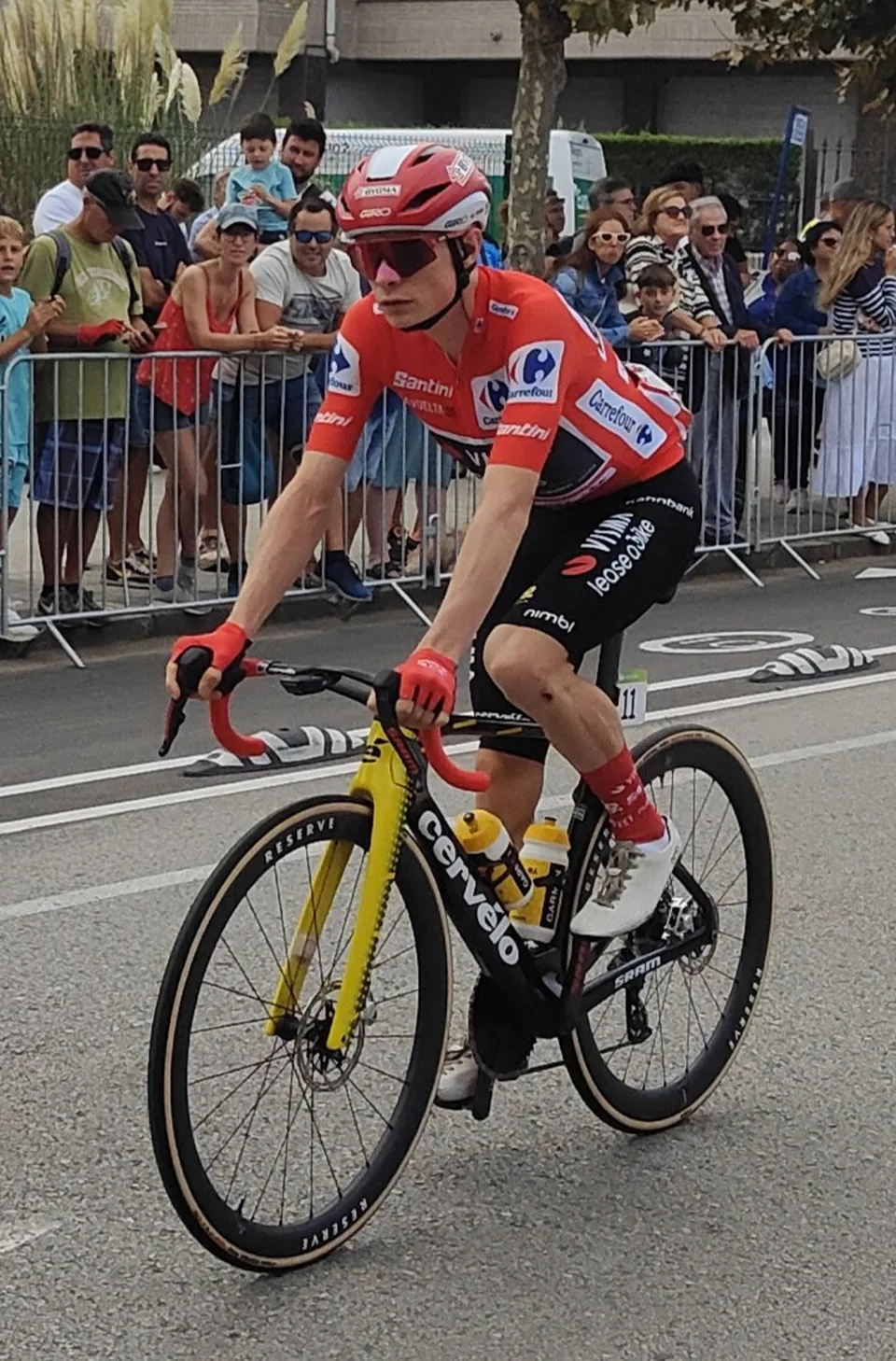

Jonas Vingegaard
Cycling · Road cycling · Team Visma | Lease a Bike


Pernille Harder
Football · Forward · FC Bayern München