


On this page
Danish men’s and women’s league standings
| # | Club | P | W | D | L | Goals | +/- | Pts | Form |
|---|---|---|---|---|---|---|---|---|---|
| 1 | GOG | 13 | 12 | 1 | 0 | 448-375 | +73 | 25 | WWW |
| 2 | Aalborg Håndbold | 13 | 9 | 1 | 3 | 411-391 | +20 | 19 | WW |
| 3 | Sønderjyske Herrehåndbold | 13 | 9 | 0 | 4 | 413-393 | +20 | 18 | WWW |
| 4 | Skjern Håndbold | 13 | 8 | 1 | 4 | 421-388 | +33 | 17 | DWW |
| 5 | SAH | 13 | 8 | 0 | 5 | 426-416 | +10 | 16 | WW |
| 6 | Ribe-Esbjerg HH | 13 | 7 | 1 | 5 | 414-405 | +9 | 15 | |
| 7 | Bjerringbro-Silkeborg | 13 | 7 | 1 | 5 | 407-409 | -2 | 15 | WW |
| 8 | Fredericia Håndboldklub | 13 | 7 | 1 | 5 | 396-367 | +29 | 15 | DW |
| 9 | Nordsjælland Håndbold | 13 | 5 | 1 | 7 | 394-403 | -9 | 11 | W |
| 10 | TTH Holstebro | 13 | 5 | 1 | 7 | 408-410 | -2 | 11 | WW |
| 11 | Mors-Thy Håndbold | 13 | 4 | 0 | 9 | 383-421 | -38 | 8 | W |
| 12 | KIF Kolding | 13 | 3 | 1 | 9 | 403-433 | -30 | 7 | W |
| 13 | TMS Ringsted Herrer | 13 | 1 | 1 | 11 | 385-447 | -62 | 3 | |
| 14 | Skive fH | 13 | 1 | 0 | 12 | 411-462 | -51 | 2 |
Source: Tophåndbold
- GOG1.92 · 13 games
- Aalborg Håndbold1.46 · 13 games
- Sønderjyske Herrehåndbold1.38 · 13 games
- Skjern Håndbold1.31 · 13 games
- SAH1.23 · 13 games
- Ribe-Esbjerg HH1.15 · 13 games
- Bjerringbro-Silkeborg1.15 · 13 games
- Fredericia Håndboldklub1.15 · 13 games
- Nordsjælland Håndbold0.85 · 13 games
- TTH Holstebro0.85 · 13 games
- Mors-Thy Håndbold0.62 · 13 games
- KIF Kolding0.54 · 13 games
- TMS Ringsted Herrer0.23 · 13 games
- Skive fH0.15 · 13 games
Data: 17 November 2026 · Calculated from the table above; the official club order is retained.

| # | Club | P | W | D | L | Goals | +/- | Pts | Form |
|---|---|---|---|---|---|---|---|---|---|
| 1 | Team Esbjerg | 10 | 10 | 0 | 0 | 341-261 | +80 | 20 | WWW |
| 2 | Odense Håndbold | 10 | 8 | 1 | 1 | 327-261 | +66 | 17 | WDW |
| 3 | Nykøbing F. Håndboldklub | 10 | 7 | 1 | 2 | 307-248 | +59 | 15 | WWW |
| 4 | Ikast Håndbold | 10 | 6 | 1 | 3 | 305-255 | +50 | 13 | D |
| 5 | København Håndbold | 10 | 6 | 0 | 4 | 291-293 | -2 | 12 | W |
| 6 | Viborg HK | 10 | 5 | 1 | 4 | 296-281 | +15 | 11 | WW |
| 7 | Horsens Håndbold Elite | 10 | 5 | 1 | 4 | 279-290 | -11 | 11 | WWD |
| 8 | HØJ Elite Kvinder | 10 | 4 | 0 | 6 | 262-284 | -22 | 8 | |
| 9 | Silkeborg-Voel KFUM | 10 | 4 | 0 | 6 | 290-303 | -13 | 8 | WW |
| 10 | Sønderjyske Kvindehåndbold | 10 | 3 | 2 | 5 | 300-311 | -11 | 8 | DD |
| 11 | NordVestjysk Elite | 10 | 3 | 1 | 6 | 282-302 | -20 | 7 | DW |
| 12 | Ringkøbing Håndbold | 10 | 3 | 0 | 7 | 308-328 | -20 | 6 | W |
| 13 | Skanderborg Håndbold | 10 | 1 | 0 | 9 | 216-310 | -94 | 2 | W |
| 14 | EH Aalborg | 10 | 1 | 0 | 9 | 239-316 | -77 | 2 |
Source: Tophåndbold
Start with the handball team you want to follow
Danish handball can be followed through a club, a particular player or a national team, but those routes do not necessarily lead to the same match. First decide between club and international handball, then identify men, women or the relevant youth category. The table and programme become useful only after that choice. A club name alone can be ambiguous when an organisation has several teams. A Danish player may appear in domestic league, European club competition and international fixtures without those results belonging to one combined record.
For an event on a particular date, go to handball today. For a completed contest or an explanation of a recorded score, use handball live scores and results. This broader guide helps you identify the right competition before making that next choice. It is particularly useful when a search for Denmark or a city brings up a mixture of club matches, internationals and older championship reports rather than one clearly identified team.
The men’s and women’s leagues have separate records
Denmark’s leading men’s and women’s divisions have their own participants, fixtures and tables. The 2026/27 league regulations specify fourteen teams in each top division. That describes this season’s structure, rather than guaranteeing the membership of future seasons. Use the Herreligaen table for the men’s competition and the Kvindeligaen table for the women’s. Check the season above the figures when comparing them with an older article or a result discovered through a search engine.
A shared city name does not make two teams the same sporting unit. Their attendance, leading scorers and points must also remain separate. When a player changes clubs between seasons, last year’s goals describe the former club and competition. Consult the current team information for club affiliation and read the date attached to an individual achievement before comparing it with this season’s figures. An older achievement can still be interesting without being treated as a current result or proof of today’s selection.
Divisional and youth handball need their own selection
Other senior divisions sit below the top leagues, while youth handball has its own age groups and competitions. Danish first-division handball is the appropriate route when the team plays in the First Division. Select the men’s or women’s competition instead of searching a top-league table that does not include the club. DanskHåndbold’s rules directory distinguishes the league regulations from provisions for other competitions. An explanation written for elite senior handball should therefore not automatically be applied to a youth event.
Read a youth team’s age group together with the season. A familiar team name can represent different players when a new group moves through, and a short tournament may use a different match format from the ordinary league. When following a relative or attending a local fixture, establish that team’s actual division, hall and organiser. A dated match with the correct age category provides better directions than a prominent club badge that covers several teams and training groups.
A regular-season lead is different from a championship
A league table needs a phase as well as a season. The regular season establishes positions before the later competition, while the championship is decided through the play-offs. Under the 2026/27 league regulations, the eight leading top-division teams enter the championship play-offs and the others enter league qualification play. First place during the autumn is consequently neither an already secured title nor a guaranteed place in the final. Read the phase heading before treating a coloured position marker as a final sporting achievement.
Points can also change meaning when the phase changes. Section 26 of the same regulations links championship play-off starting points to regular-season position, whereas league qualification play carries earned regular-season points forward. Two tables for one club can therefore both be correct despite showing different point totals. Use the relevant league page for the detailed standings and ranking conditions. Adding every table together would combine different stages rather than reconstruct the official season, and an apparent reduction in points does not by itself establish a penalty.
The cup answers a different question from the league
A league asks how a team performs over a sequence of fixtures. A cup asks which side advances from the particular round. DanskHåndbold describes the national cup as a route starting regionally before progressing to national rounds and a final event. The draw is therefore an essential part of understanding the next opponent. Meeting another club in the cup does not mean that both teams share a division or that league points will be awarded for their match.
When reading a cup result, identify the round and the method of deciding it before describing the club’s season. A win may secure progress without changing the domestic league table. A tied contest may need a further decision under the competition’s provisions. Keep the sample clear when comparing a cup performance with a league run: one elimination match and several months of league fixtures answer different questions. Neither becomes a reliable summary of the other merely because the club names and players are familiar.
European club handball follows a separate competition
Danish clubs can also appear in EHF competitions. The Champions League, European League and European Cup are distinct events, so find the fixture under its actual competition name. A European match can fall between two domestic rounds. Its result still belongs to the European competition even when the same players take the court. Champions League handball provides the more specific route for following that part of a club’s programme and separating it from domestic results.
Choose the season before using an explanation of the format. EHF’s official playing-system document for the men’s Champions League in 2026/27 shows six initial groups of four teams; an older group diagram can therefore mislead. Follow the current EHF competition for the actual draw and progression. A well-known club or Danish player appearing in a European article does not establish the same club’s participation next season. The season label is useful evidence, rather than an optional detail beneath the headline.
- 24 teams enter six groups of four.
- The top two from each group progress: 6 × 2 = 12 teams.
- Those twelve enter two main-round groups of six.
Confirm a European place before planning around it
A high domestic finish and confirmed entry into a particular European competition are separate facts. DanskHåndbold’s provisions adopted on 29 May 2026 connect allocation with the places assigned by EHF and a Danish ranking. Additional places and upgrades are handled separately. A table’s coloured qualification marker should therefore be read as an explanation of a possible route until the particular participation has been settled. It does not replace the official entry or acceptance information for the upcoming season.
For a European away trip, an expected opponent is insufficient. Confirm the competition, match date, venue and the club’s ticket information. Qualification can affect which fixtures actually take place. Avoid turning a hypothetical draw into a fixed appointment, and retain the official match details on which a booking depends. That also gives you a useful reference if a later announcement changes the programme. A travel search based on a club’s usual city may otherwise lead to the wrong venue or an unconfirmed date.
For Denmark, identify the team and the championship
An international team brings together players from different clubs. The latest club result does not describe Denmark’s performance. Begin with the relevant national team, then choose EURO, World Championship, Olympics, qualification or a friendly. The men’s national-team guide and the separate pages for the women’s World Championship and women’s EURO help avoid mixing several fields of participants under one broad Denmark search.
Qualification and the final tournament may share a championship name in a headline while having different dates and groups. A qualifying win belongs to its own campaign, rather than counting as a win in the final tournament. EHF’s EURO match directory separates these phases, while IHF is the appropriate starting point for World Championships. Read the complete event name when a brief result omits the year. An old final-tournament report can explain history without describing the national team’s next competitive task.
A squad announcement does not confirm a starting lineup
A squad announcement identifies players called up for a gathering or tournament. It does not necessarily establish participation in a particular match or the minutes a player will receive. Changes can follow, and a tournament squad is different from the match team sheet. For a named player, compare the call-up announcement with the particular fixture information and subsequent match report. A general profile helps identify the person but cannot provide evidence of involvement in every match on the calendar.
Roles may change during play as well. An attacking specialist replacing a defender does not automatically indicate injury, and a goalkeeper may leave the court as part of an attacking choice. Handball players and positions explains those roles in more detail. Use the explanation to understand what you are watching, rather than treating an absent goal total or brief appearance as a diagnosis. Confirmed statements from the player and team are needed to explain a particular absence or changed availability.
Goals, points and table positions describe different things
The goals determine the match score, while the competition awards points according to its regulations. In the Danish league, an ordinary win earns two points and a draw one. A large winning margin therefore does not automatically earn more table points than a one-goal win. Goal difference describes another feature and can be relevant to specified comparisons. Choose the correct column when asking which side leads the table or how high-scoring a team’s matches have been.
A fictional team with three wins, one draw and one defeat would have seven points under that allocation. The total says nothing about how many goals the team scored. If it has played fewer games than a rival, the number of matches also belongs in the comparison. Describing a game in hand is more accurate than awarding its points in advance: the unplayed fixture may produce a win, draw or defeat. It remains an opportunity, rather than a recorded result that can already be added to the standings.
| Outcome | Matches | Points per match | Points |
|---|---|---|---|
| Win | 3 | 2 | 6 |
| Draw | 1 | 1 | 1 |
| Defeat | 1 | 0 | 0 |
| Total | 5 | — | 7 |
Club, player and arena are separate reference points
A club is a useful starting point when following more than one fixture. Its profile provides team context, while the programme identifies the particular event. At Aalborg Håndbold, GOG, Odense Håndbold and Team Esbjerg, start with the team you actually intend to follow. Do not carry a familiar player’s former club affiliation into a new season without checking it.
Check the arena against the fixture, particularly for finals and special events. The home-team label does not guarantee that every match uses the same hall. Sponsor names can also make a league or venue look different in an older report. Match the teams, competition and location before deciding that two descriptions refer to the same event. When planning a route, retain the full address from the organiser’s fixture information instead of relying on an abbreviated arena name that may describe more than one place.
Follow a season without trying to read every match
Choose a repeatable question when following Danish handball over time. For a club, that might mean checking its next fixture, its position in the relevant phase and the final result after playing. For a national team, it may mean the next gathering and its path towards a championship. Both interests can coexist, but keep their records separate. A pause in the club programme does not necessarily mean every player has a break from competition or that the national team is playing that same evening.
After a few weeks away, begin with the table’s season and phase. Then locate the latest confirmed result and next scheduled match. That provides a firmer overview than undated headlines viewed in isolation. If a fixture has moved, check its programme entry rather than placing it from an old round number. Keeping the club’s official schedule as a reference is useful for visits planned ahead, especially when a European or cup commitment creates several different types of fixture in a short period.
Useful statistics need a clear denominator
Tophåndbold’s statistics distinguish goals, shots and penalties and provide selections such as season, league, group and round. Read those choices before comparing two players. Total goals and goals excluding penalties do not measure exactly the same thing. More appearances also provide more opportunities to accumulate goals. That does not make a total wrong, but it changes the question answered by the number. Check whether a figure describes the complete competition, one phase or a shorter run of fixtures.
In a fictional example, one player scores twelve goals from twenty recorded shots and another scores nine from twelve. The first has more goals; the second has the higher scoring percentage, seventy-five against sixty per cent. Both statements are true within the example. Shot type, position and opposition remain unknown. The percentage alone is not a complete ranking of who played better. Nor should figures from different competition selections be placed side by side as though the underlying opportunities and opponents were identical.
| Player | Goals | Shots | Goals / shots |
|---|---|---|---|
| A | 12 | 20 | 60% |
| B | 9 | 12 | 75% |
A visit needs the actual event’s ticket information
Before attending, match the ticket, date, hall and entrance arrangements. Establish whether a ticket covers one match or an event containing several games. At a final event, seating and access may be attached to a session rather than the team named in a short fixture listing. Use the organiser’s or club’s official ticket route and read the conditions for a possible date change before committing to travel. The fixture list is the starting point, rather than the full admission agreement.
Allow for the final part of the journey and locating the correct entrance. If you need accessible admission, a companion arrangement or suitable seating for children, check those details with the venue for that particular event. An older description of a different arena is not enough. A television programme’s start time does not tell you when the doors open either. Use the ticket information for the visit and the match programme for the sporting event, keeping both available until the day of attendance.
Rules explain the action without predicting the outcome
Handball becomes easier to follow when goals, penalty throws, suspensions and time-outs are distinguished. IHF’s indoor rules and DanskHåndbold’s explanations are the relevant starting points. Begin with the situation you want to understand, then consult handball rules for steps, passive play or substitutions. A commentator’s short remark may name a rule without fully explaining the decision. Reading the appropriate rule helps separate what is permitted from an opinion about whether a tactical choice was sensible.
The rules describe the teams’ available options, rather than guaranteeing which option succeeds. A shorthanded side can score, and a substantial lead can change. Understanding that development requires the particular match. Keep a rule explanation separate from a judgement of a team’s strength. A final score records the result; it does not establish the tactics or cause of victory by itself. For those questions, the match report and documented events provide more useful evidence than the size of the margin alone.
Use the source responsible for the missing answer
DanskHåndbold is the starting point for Danish competition regulations and national teams; Tophåndbold provides league match and statistics information. European competition details belong with EHF and World Championship information with IHF. The club or organiser supplies the actual ticket and arena information. These sources complement one another. A player introduction can explain background without replacing a match report, and a television guide cannot replace an official competition decision about a disputed result or a team’s qualification.
Read the date attached to the information you use. Rules for 2026/27 explain that season, while an older article may remain useful history without being a current guide. Where sources appear to disagree, first align season, team, phase and fixture date. A later official amendment may then resolve the difference. Following the source responsible for the particular detail is usually more useful than combining several undated fragments into an answer that no organiser has actually confirmed.
How do I find the correct Danish handball table?
Select men or women, then the league or division and relevant season and phase. A shared club or city name does not mean the teams share a table.
Is the regular-season winner already the Danish champion?
No. The 2026/27 league regular season and championship play-offs are separate phases. Consult the current competition rules and table for a particular position.
Does a cup win change league points?
No. Cup and league results belong to separate competitions. A cup victory can provide progression without changing league points.
Does one Champions League format apply to every season and both sexes?
No. Check the competition, men or women, and season. This diagram describes only the first stages of the men’s Champions League in 2026/27.
Does a national-team call-up confirm participation in the next match?
Not on its own. Gathering squads, tournament squads and match team sheets provide different information. Check the particular fixture.
Explore Handball
Handball leagues and rules (20)
- Handball Today and on TV in Denmark
- Danish Handball Live, Schedule and Results
- Herreligaen – Danish Men’s Handball League Table
- Kvindeligaen – Danish Women’s Handball League Table
- Handball Champions League
- Danish 1st Division handball
- Handball results and developments
- Handball players and positions
- Handball rules
- handball schedule and results
- Flashscore handball
- men’s handball results
- women’s handball results
- men’s handball tickets
- national team handball match tickets
- women’s national handball team squad
- Sofascore handball
- Flashscore women’s handball
- women’s national handball team tickets
- men’s handball league top scorer
Handball clubs (17)
- Aalborg Håndbold – Matches and Table
- GOG Handball – Match Today and Results
- Skjern Håndbold – Fixtures and Table
- Mors-Thy Håndbold – Matches and Table
- Odense Håndbold in Kvindeligaen
- Team Esbjerg – Esbjerg Handball
- HØJ Handball – HØJ Elite
- KIF handball
- Ikast handball
- Sønderjyske handball
- Bjerringbro Silkeborg handball
- Fredericia handball
- Nordsjælland handball
- Copenhagen handball
- Skanderborg AGF handball
- Viborg handball club
- Esbjerg Ribe handball
Choose an athlete
Choose a Danish athlete to see their profile, next event and selected dated results. Older achievements are labelled as archive material.
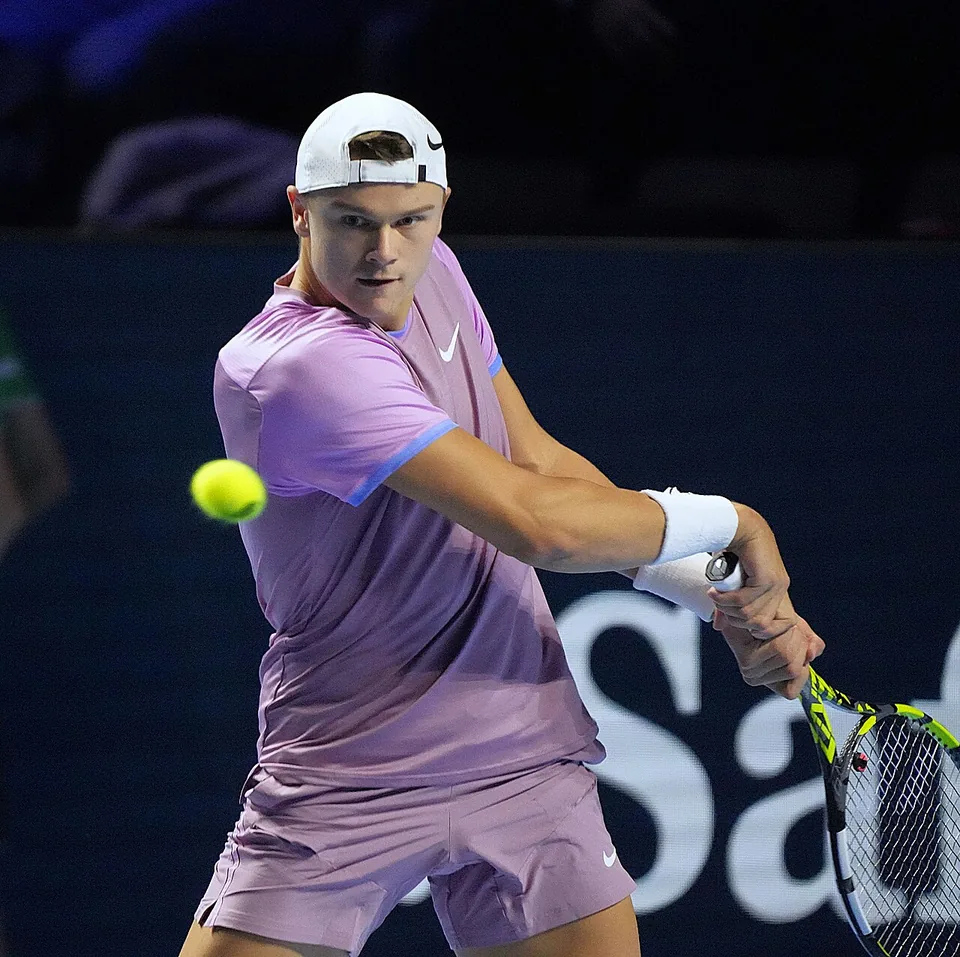

Holger Rune
Tennis · Men’s singles · ATP
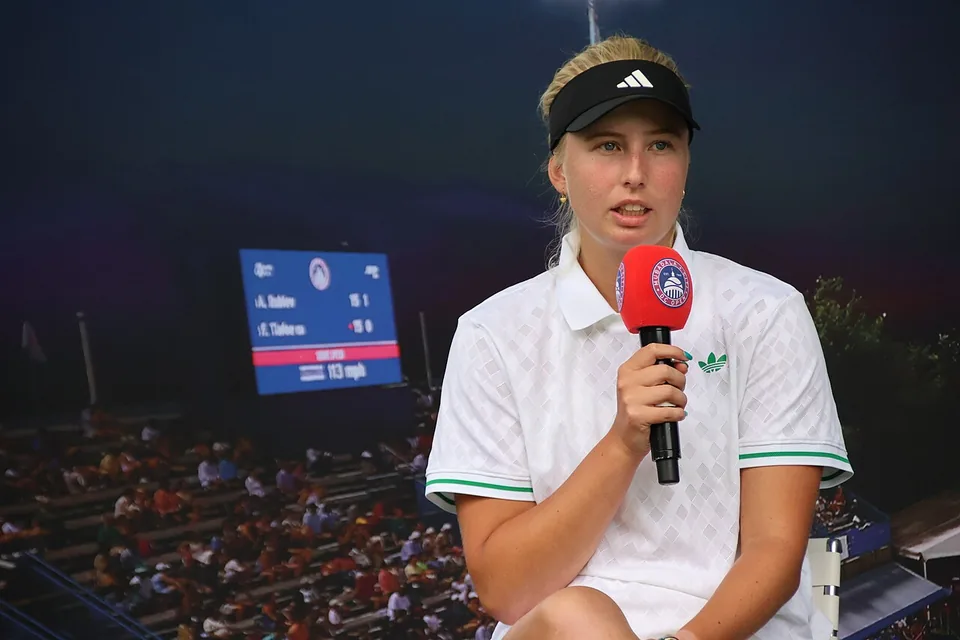

Clara Tauson
Tennis · Women’s singles · WTA
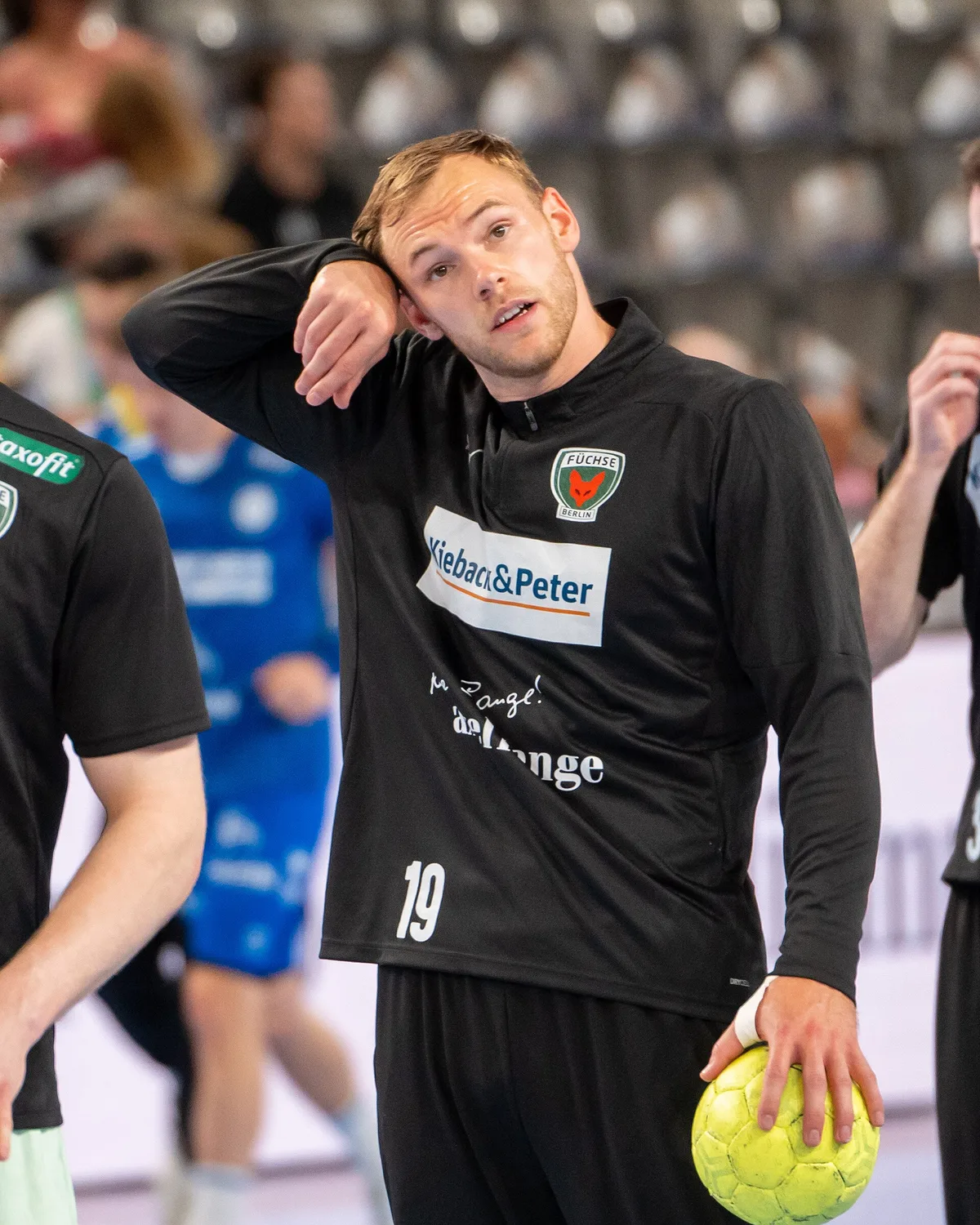
Max Petershans, CC BY-SA 4.0, Wikimedia Commons · CC BY-SA 4.0

Mathias Gidsel
Handball · Right back · Füchse Berlin


Anders Antonsen
Badminton · Men’s singles · BWF
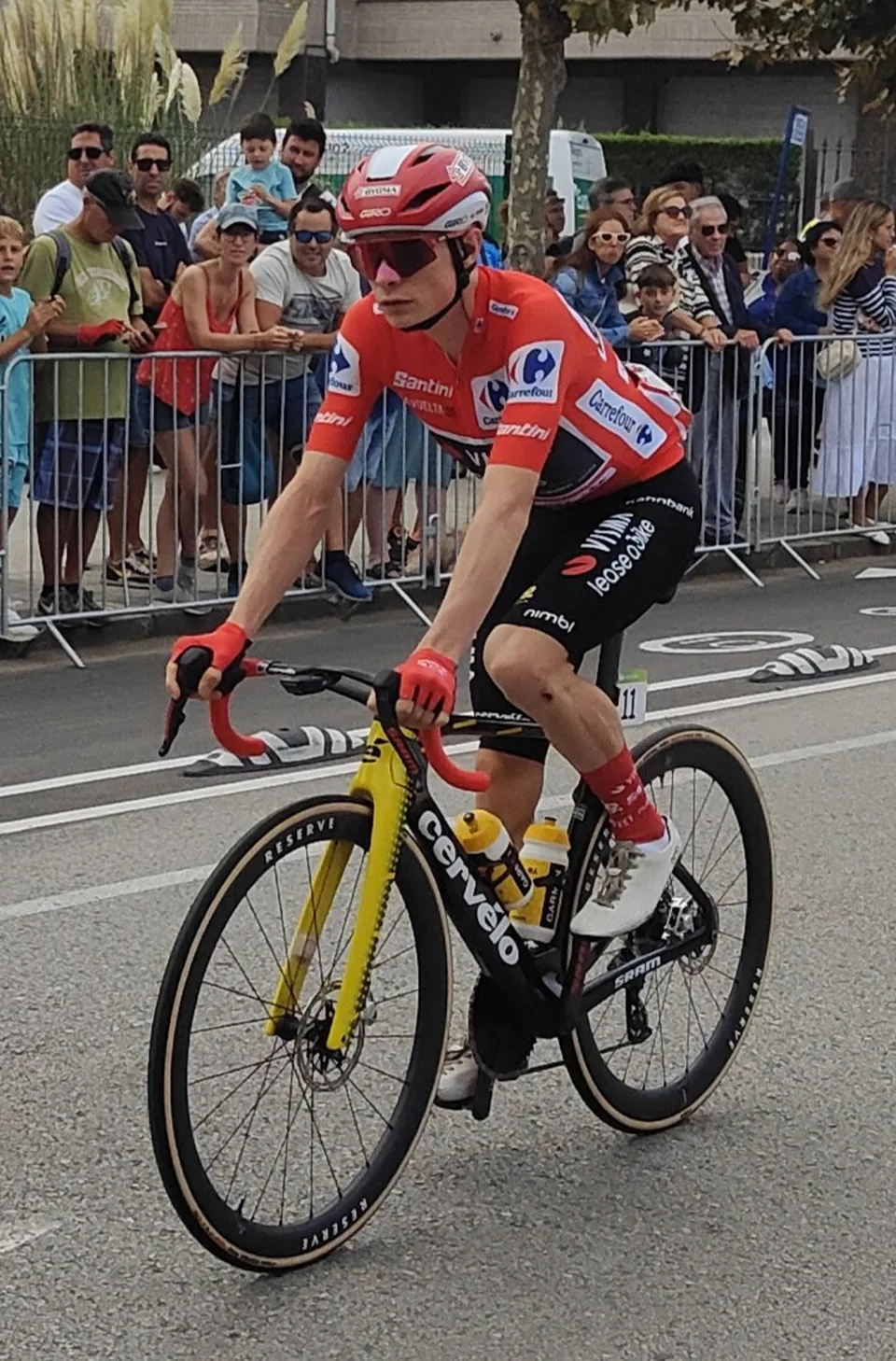

Jonas Vingegaard
Cycling · Road cycling · Team Visma | Lease a Bike


Pernille Harder
Football · Forward · FC Bayern München