
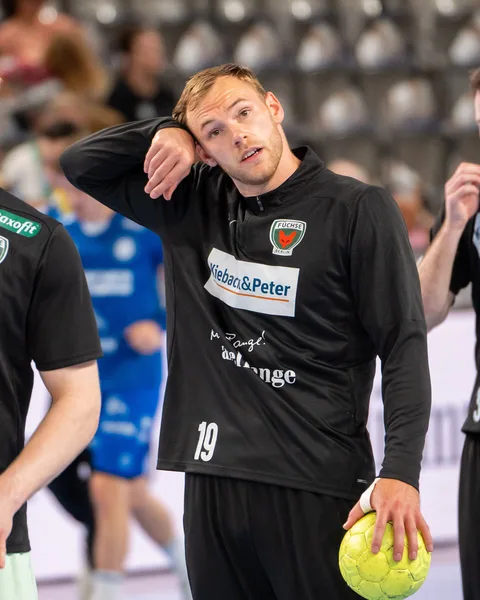




On this page
Superliga standings, upcoming fixtures and recent results
| # | Club | P | W | D | L | Goals | +/- | Pts | Form |
|---|---|---|---|---|---|---|---|---|---|
| 1 | FC København | 14 | 10 | 2 | 2 | 29-12 | +17 | 32 | LDDWW |
| 2 | FC Midtjylland | 14 | 9 | 5 | 0 | 29-17 | +12 | 32 | WWWWD |
| 3 | Viborg | 14 | 8 | 2 | 4 | 22-13 | +9 | 26 | WLLWW |
| 4 | FC Nordsjælland | 14 | 6 | 5 | 3 | 26-18 | +8 | 23 | DDDLW |
| 5 | Brøndby | 14 | 7 | 1 | 6 | 23-21 | +2 | 22 | WLWWL |
| 6 | OB | 14 | 4 | 5 | 5 | 16-19 | -3 | 17 | DWDWL |
| 7 | AC Horsens | 14 | 4 | 4 | 6 | 23-23 | 0 | 16 | DDWLL |
| 8 | AGF | 14 | 3 | 6 | 5 | 19-21 | -2 | 15 | WDWLW |
| 9 | Silkeborg | 14 | 3 | 6 | 5 | 18-24 | -6 | 15 | DLDLW |
| 10 | Lyngby | 14 | 2 | 5 | 7 | 19-29 | -10 | 11 | LDLWL |
| 11 | Randers | 14 | 3 | 2 | 9 | 14-27 | -13 | 11 | LDLLL |
| 12 | Sønderjyske | 14 | 2 | 3 | 9 | 19-33 | -14 | 9 | LWLLD |
1–6: championship round 7–12: relegation round · Source: ESPN
- AGF19:00Lyngby
- Viborg14:00Randers
- AC Horsens14:00Silkeborg
- Sønderjyske16:00OB
- FC Nordsjælland18:00FC København
- Brøndby19:00FC Midtjylland
- FC Midtjylland2–2Sønderjyske
- Randers1–6FC Nordsjælland
- AGF2–0AC Horsens
- FC København1–0Brøndby
- OB1–2Viborg
- Silkeborg1–0Lyngby
Latest sports news
Anders Antonsen and the Danish doubles pairs
· Antonsen has drawn Chi Yu Jen in Hong Kong. Revisit their Jakarta meeting and the Danish doubles run to the Kumamoto semi-finals.
· Denmark won 4–1 in Portugal in the Nations League. The Superliga resumes on Friday 20 November when AGF host Lyngby.
Explore the sports and guides
Start with your question about the Danish Superliga
Do you want the current leader, your club’s next opponent or the effect of a particular match? Those are different questions. Standings provide the season’s recorded positions, fixtures identify planned meetings and results describe matches already played. Choose the information you actually need before trying to explain the entire campaign through a single row.
Start with your club and the displayed season, then follow its next fixture or return to the result you want to understand. Knowing every abbreviation is unnecessary at the outset. An opponent, date and clear question provide a useful starting point. These routes connect Danish football with other Danish sporting achievements, letting you follow a competition or an individual without combining their separate records. For a newcomer, understanding which record to open is more useful than memorising every table column immediately.
Separate the season record from tonight’s score
A league table covers several fixtures. A score during play describes one moment. Before concluding that your club has moved, establish whether its result is complete and included. A possible new position can be interesting without being the same information as recorded points after the match.
The date beside the figures is consequently part of the answer. Opening the page again does not itself establish a new goal. For a particular result, identify both teams and the date; for the season ranking, retain the season. The complete Superliga standings guide explains columns and tied points in detail. The immediate task is selecting the right information rather than treating an intermediate match situation as a settled conclusion. A dated table remains useful for its reporting point even when another match has begun elsewhere.
The regular season and split give the campaign direction
The Superliga’s 2026/27 format has twelve clubs. Its regular season comprises twenty-two rounds before the top six and bottom six continue in separate groups. That explains why positions around the split can matter long before the title is decided. Consult Divisionsforeningen’s current competition regulations; an older season’s explanation is not always sufficient.
For a new spectator, identifying the club’s current phase comes first. The same team can face different sets of opponents before and after the split. A regular-season result does not become a new fixture because you later find it in a broader season record. The structure gives context; exact positions, European qualification or relegation then require the applicable table and that season’s rules. Avoid assuming that every Danish competition uses the same arrangement simply because it also has a league table.
Follow one club while keeping the league in view
One practical approach is choosing a club as your reference point. Identify its next opponent, home or away status and date, then inspect its nearest rivals. That provides context without requiring every match report to be read every week.
The complete team name matters when several teams or sports share a short name. A profile helps establish identity, while the individual fixture determines venue, opponent and competition. For longer planning, the Superliga fixture programme is preferable to guessing from last weekend’s match day. Keep European and cup appearances in their own competitions. A win there can matter greatly to supporters without adding points to the Superliga table. Following a club across competitions is useful; moving its results between competitions is not. Retain the competition when sharing a fixture with someone who knows the club but not its schedule.
| You want to know | Relevant route |
|---|---|
| Where is the club placed? | League standings |
| Who does it face next? | Fixture programme |
| How did the match finish? | Results |
| What happens during play? | Live overview |
Abbreviations help only after identifying the club
Small displays often use abbreviated names or letter codes. FCK and FCN, for example, identify different clubs despite their similar opening letters. The league’s official club entries provide full names behind its overview. The opponent is another useful check when a message or screenshot contains only a few letters.
A town name alone may not identify a fixture. A first team, women’s side and youth team can belong to the same club environment. Full name and category are therefore a better starting point than a badge alone. The distinction matters for visits too: the usual first-team ground does not establish the venue for every other section. Once identity is settled, it becomes much easier to recognise whether a piece of news concerns the team you actually follow rather than another similarly named side.
Recent form and season position answer different questions
A short form sequence concerns a defined selection of recent games, not the whole campaign. One club can start poorly and then improve; another may still have more points overall after a weaker week. Both descriptions can be accurate at the same time.
In a fictional example, a club might have eight points from its last five league games but twenty-four across the season. The eight belong within the twenty-four rather than being added again. Establish whether the form selection contains league fixtures only. A cup victory should not silently enter a comparison against another club’s five Superliga matches. Use form to ask a more precise question about development and open the relevant results when investigating why a period improved or worsened. Numbers alone do not establish playing style, injuries or a coach’s influence; those interpretations require evidence about the matches behind them.
A game in hand offers an opportunity, not awarded points
Unequal match counts can complicate standings. A club with fewer completed fixtures has a less advanced season record. That provides context, but a postponed match has no sporting outcome yet. Establish its opponent and place in the calendar before assessing the opportunity.
The same applies to a temporary lead after an early match in a round. A rival may still have its fixture to play without anybody knowing its points return. Separate recorded points from expectations. When discussing the leading clubs, mentioning points and appearances is more precise than calling a position secure. Results establish what has been decided; fixtures identify what remains. Neither turns an expected win into an actual one. The distinction helps when one supporter quotes the current table while another discusses a possible position after all outstanding matches.
Move from team goals to the individual scorer
Following a forward takes you towards the scoring race rather than the league ranking. Team goals and personally credited goals are not always identical records. An own goal can benefit a team without becoming an ordinary goal for one of its attackers. A subsequent scorer correction need not change the final match score.
Retain competition and season for the player too. A European goal does not automatically become a Superliga goal. The top-scorer guide distinguishes total goals, penalties and production relative to playing time. Superliga statistics is appropriate when the question instead concerns team attempts or another measure. Choose the personal record for the individual and the team record for the team. That lets you investigate a strong performance without crediting one player with the whole attack, or describing an assist as another personally scored goal.
| Question | What the example establishes |
|---|---|
| Match result | A wins 2–1 |
| Personal goals for A players | One ordinary goal; the own goal is separate |
| Goals for A in the team record | Two goals |
| Next fixture | Cannot be inferred from this result |
A day without Superliga can still contain Danish sport
League football does not necessarily happen every day. An empty daily selection therefore establishes neither the end of the season nor a break for every Danish athlete. For an evening’s planning, the next Superliga fixture, handball and an individual tournament offer different possibilities. Date and sport should determine the choice.
For football specifically, use the football overview to identify the relevant competition. For Danish achievements more broadly, athlete profiles offer another route. Read an achievement marked as archive on its stated date even when it appears beside a future event. History can explain interest in a player without establishing an appearance today. An enjoyable sports evening starts with an actually scheduled event rather than an assumption that the latest featured victory has just happened. An athlete’s next event may also require information from a different competition than the one producing the previous achievement.
Handball: select the category before club or country
Danish handball includes club competitions and national teams with separate programmes. They do not form one season record, and men’s and women’s competitions need separate identification. DanskHåndbold’s competition information distinguishes categories and includes international periods in the calendar. Find the actual team before using a familiar player as the route to a match.
The handball section leads towards relevant tables and fixtures. Do not automatically apply football’s points explanation to a handball competition; the applicable competition has its own regulations. A national-team performance can interest supporters of a club player without entering the club’s league record. For an individual, name, team and event need to agree before a team result becomes a claim about personal achievement. Team goals and an individual’s goals remain separate information, just as a familiar national shirt does not identify a club fixture.
Tennis and badminton need the correct event and discipline
A Danish player may appear individually, in doubles or within a team event. Nationality alone does not identify the competition. Dansk Tennis Forbund offers tournament routes and team tennis, while Badminton Danmark distinguishes individual events, the league and national teams.
Begin with event and discipline. A singles victory does not necessarily explain a complete team tie, and a doubles partnership is not one player’s singles campaign. The next opponent or starting time may depend on the preceding round. The tennis overview and badminton section identify the relevant subject. For an individual, their profile and dated match information are more precise than a general event heading. A familiar name on an entry list does not by itself establish that play has begun or that Danish television will show the match. Participation, draw position and a confirmed live appearance are different stages.
Cycling: a stage and the overall classification are separate results
A cycling stage winner and the overall leader can be different riders. A daily placing and an accumulated time classification must therefore remain separate. Discipline matters too: road, track and other competitions involve different events and results. Danmarks Cykle Union provides official information about Danish cycling and its events.
For a rider, retain race name, date and result type together. A celebration photograph alone does not explain exactly what was won. In a stage race, a strong daily result does not necessarily deliver the overall lead. The cycling section helps select the relevant route. Planning also requires the actual stage or event; last year’s achievement is background rather than confirmation of another appearance or the next starting time. If several classifications appear together, read their headings rather than assuming the first familiar name is leading every contest.
| Sport | Establish | Keep separate |
|---|---|---|
| Football | League, cup or international | Club and national-team points |
| Handball | Team category and competition | Team and personal goals |
| Tennis/badminton | Singles, doubles or team event | One rubber and an entire team tie |
| Cycling | Stage or overall classification | Daily placing and overall lead |
Following a score differs from having a broadcast
A fixture overview can provide results without video access. To watch, find the particular event with a Danish rights holder or confirmed programme listing. A general competition name on a channel is not always enough: date, category and programme description must fit the event you want.
Sport on TV offers the route to investigate coverage. A missing channel field means no channel is confirmed there, not necessarily that nobody broadcasts the event. Distinguish live sport, studio coverage and highlights. When inviting others, programme start and actual event start can be different appointments. Assess a subscription by the particular access it provides rather than assuming every Danish athlete appears in one place. Check prices and coverage with the provider when deciding. A score page remains useful for identifying the event even when the separate question of viewing access is unresolved.
Plan a visit around the actual event
For a stadium or arena visit, opponent and date are only the beginning. Use the organiser’s ticket information to identify the correct event, section and entrance. Confirm the venue even when the club has a familiar home ground. Another competition, team category or special occasion can have different arrangements.
If someone needs a particular access arrangement, confirm it before buying or travelling. A standard ticket category does not establish everything about seating, companion arrangements or the approach to the entrance. Keep the event message and check changes nearer the visit. A previous crowd can justify investigating tickets early without guaranteeing either availability or a sell-out. Planning becomes easier when tickets, transport and the match all concern the same place and date. Do not let an old booking reminder take priority over the organiser’s subsequently confirmed fixture information.
Read news with its date and sporting context
News about a squad, achievement or coaching change does not answer every question about the next match. Establish what the announcement actually says. Selection for a squad need not confirm a starting place, and a forecast is not a completed result. A club or federation announcement is relevant to the particular information it publishes.
Separate reports from interpretations as well. Commentary can explain significance without replacing the documented outcome. Two accounts may concern different times or competitions. Identify the specific event before choosing an explanation. That makes Danish sport easier to follow across a busy week without turning an old headline into a new injury, fixture or championship. If a later announcement changes the picture, retain that later context when discussing an earlier assessment rather than presenting both as simultaneous facts about the same moment.
Danish athletes abroad and foreign players in Denmark
Danish sport can mean a Danish athlete competing abroad or a Danish competition containing participants from several countries. Both are useful perspectives but answer different questions. For following the Superliga, competition is decisive; for following a Danish player, the route may lead to a foreign club or international event.
Retain person and team in your own selection. A foreign club appearance does not become a Denmark international because of a player’s passport. Conversely, a Superliga player need not be Danish to enter the league’s scoring records. Profiles provide a personal route, while sport sections explain the competition. Choose the perspective you want and investigate the next event in its actual setting rather than moving results into another tournament. A player can connect several interests without the associated competitions sharing a table, fixture calendar or broadcasting arrangement.
| Stage | Find | Use it for |
|---|---|---|
| Before | Event, opponent and date | Planning and admission |
| During | Confirmed status and incidents | Understanding development |
| After | Completed result and report | Putting the next event in context |
Choose a reference point when beginning to follow the sport
Newcomers need not follow every table at once. A club, athlete or recurring event can provide a manageable reference point. Find the next relevant appearance, read the background and return to its confirmed result afterwards. Interest can begin with one person before growing into the surrounding competition.
If you have not chosen, let the day’s genuinely scheduled sport determine the first evening. Notice competition, participants and the question you want answered. When a rule or statistical column becomes important, its detailed explanation belongs in the relevant section. You can enjoy an engaging match without guessing every unknown detail. Afterwards, the actual result provides a natural starting point for the next event, while the season table supplies the broader context. Following that manageable thread can be more rewarding than trying to treat every headline as equally relevant to your chosen team.
Questions and answers
Where should I begin when following one club?
Identify the club, displayed season and next opponent. Use fixtures for planning and results for completed games.
Does a homepage result necessarily come from today?
No. Fixture date and status establish whether it is today’s game, a future event or an earlier result.
Do Danish achievements all belong to Danish competitions?
No. Danish athletes can compete abroad, while Danish leagues can include participants from many countries.
Does a score overview provide a livestream?
Not by itself. Confirm the particular broadcast and access separately with the relevant provider.
Explore the next question
- Danish Superliga standings overview — The complete Superliga table explained through matches played, points, goals and form.
- Danish Superliga Matches Today — Today’s Superliga matches with kick-off in Danish time and what is at stake in the table. When no one plays today, the next match day is shown here.
- Sport on TV Today in Denmark — Find today’s sports coverage and check Danish time, participants, the specific broadcast and your access with the provider.
- Danish Handball in One Place — Find your way through Danish handball: choose club or national team, men or women, and the correct competition before using its table, results and next fixture.
- Tennis – ATP and WTA in One Place — Find your route to tournaments, results, rankings and Danish players.
- betting — The table describes what has already happened.
- casino — A casino may be a physical venue or a website.
Choose an athlete
Choose a Danish athlete to see their profile, next event and selected dated results. Older achievements are labelled as archive material.
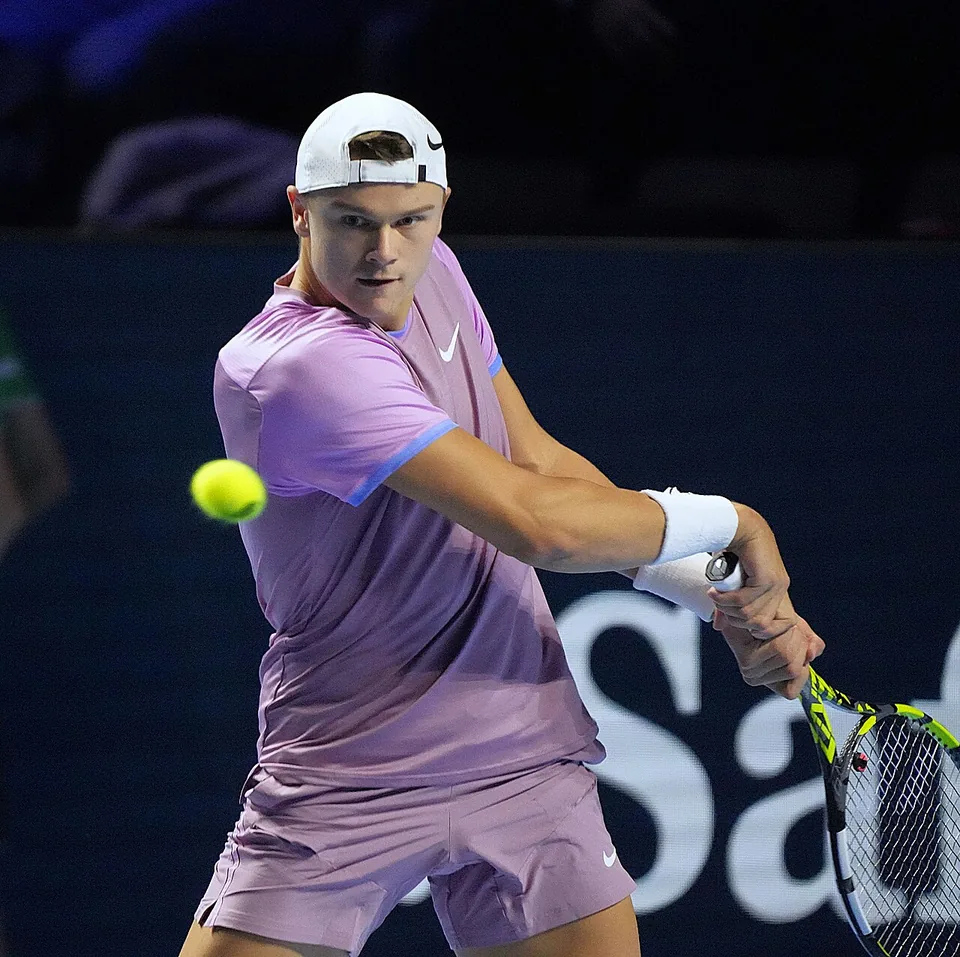

Holger Rune
Tennis · Men’s singles · ATP
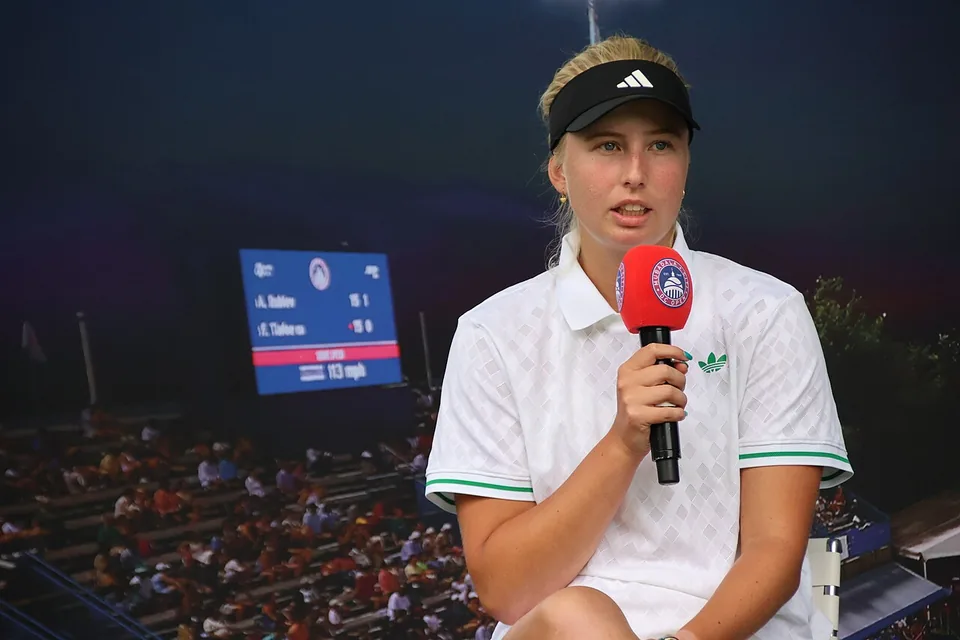

Clara Tauson
Tennis · Women’s singles · WTA
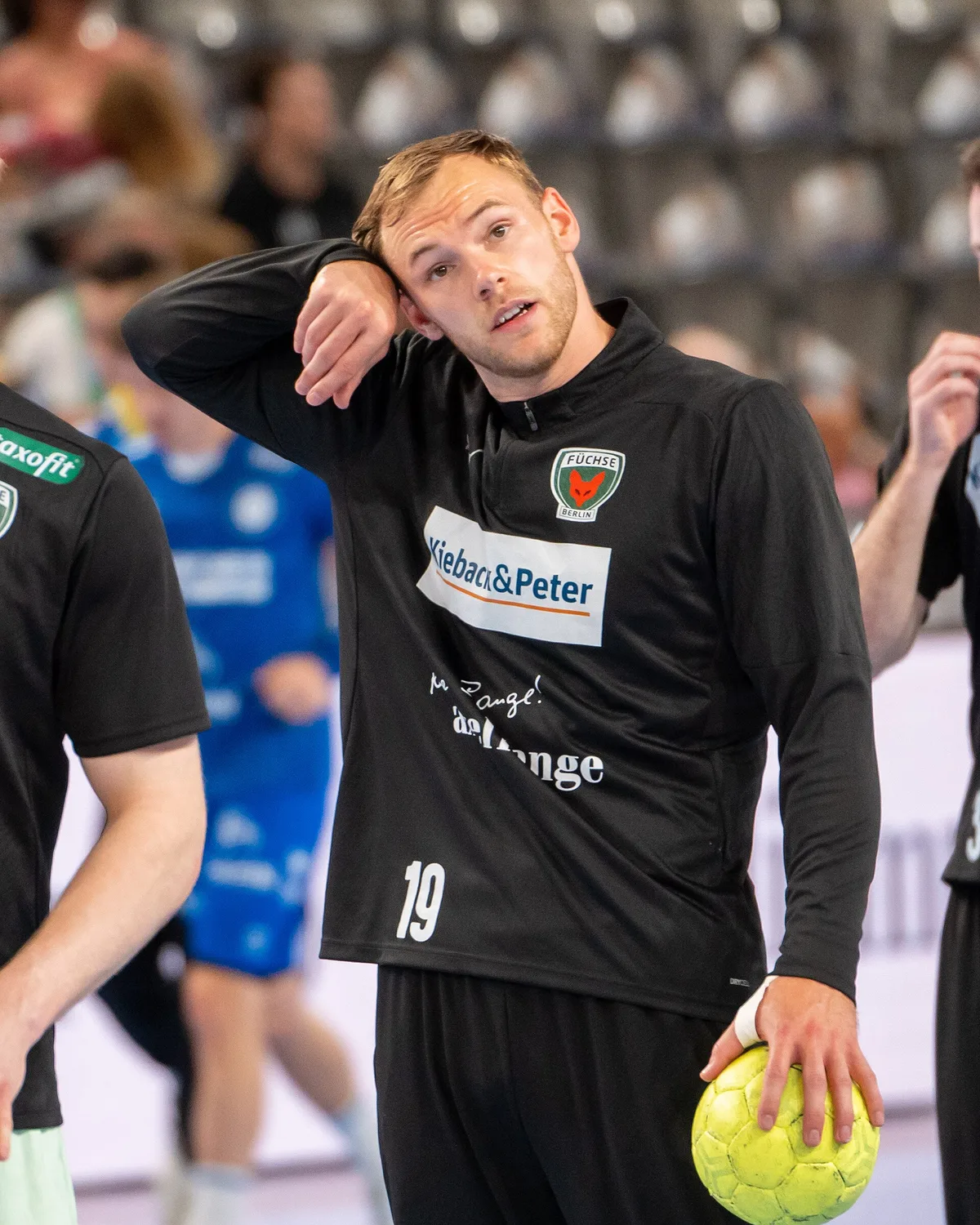
Max Petershans, CC BY-SA 4.0, Wikimedia Commons · CC BY-SA 4.0

Mathias Gidsel
Handball · Right back · Füchse Berlin


Anders Antonsen
Badminton · Men’s singles · BWF
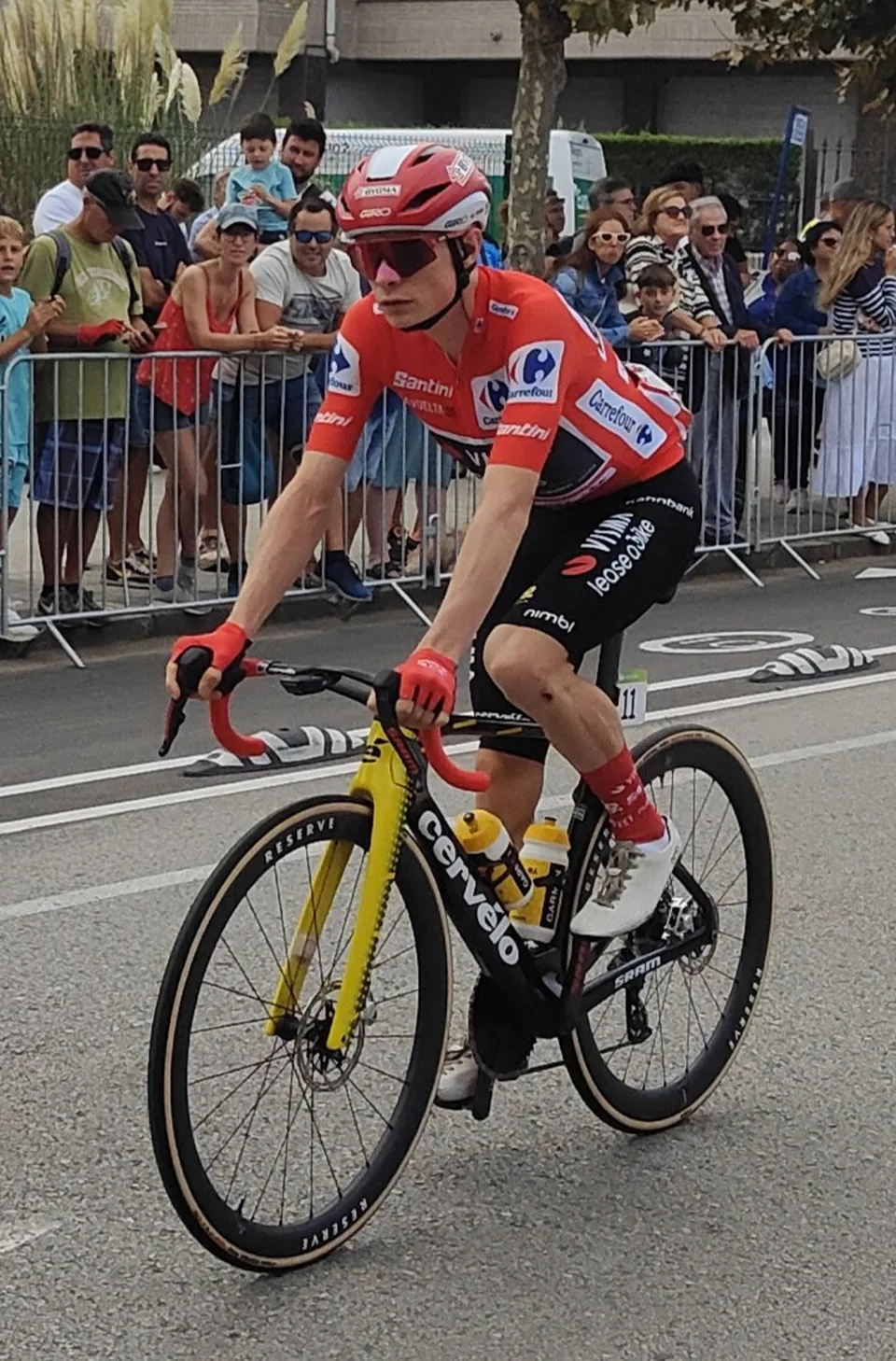

Jonas Vingegaard
Cycling · Road cycling · Team Visma | Lease a Bike


Pernille Harder
Football · Forward · FC Bayern München